








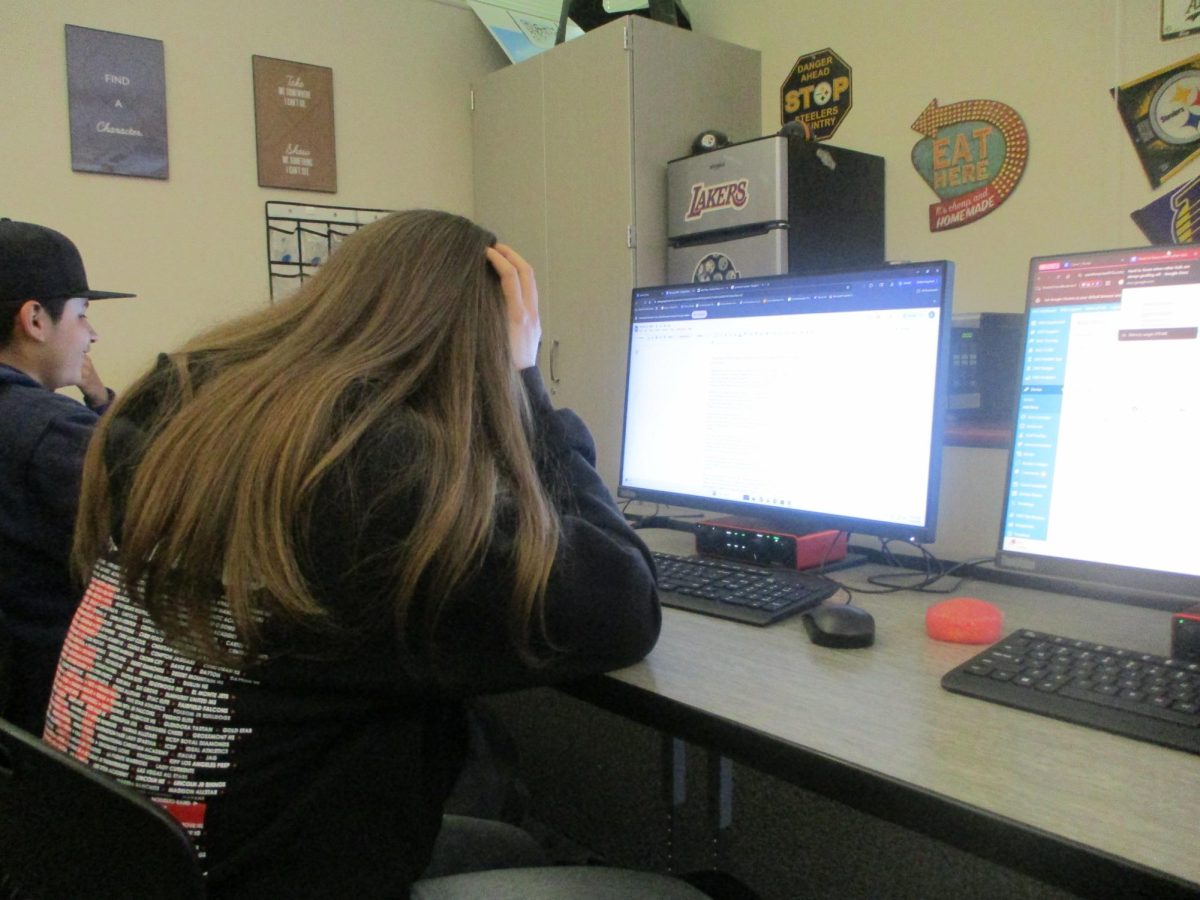
In every classroom, there’s a certain rhythm to the day. Teachers have their plans, students are expected to focus, and everyone is supposed to be on the same page. But what happens when some students decide that the best way to pass time is by goofing off? For many students, this can become a significant distraction, making it almost impossible to concentrate on the task at hand.
I asked Emery, How does the behavior of disruptive classmates affect a student’s ability to focus on their work in the classroom? And she said “It makes them want to mess around and then they don’t get a lot of work done.”
It’s no secret that focusing in a classroom environment is tough. Between homework, tests, and the constant flow of information, staying on task requires discipline, self-control, and most of all a quiet, productive environment. But when other kids are chatting, laughing, and disrupting the lesson, it’s easy for attention to wander. The issue isn’t just that it’s distracting, it’s that it can create a ripple effect, pulling students who might otherwise be focused into the chaos, leaving everyone less productive.
Teachers already have a lot on their plate for example creating lessons, grading papers, and trying to engage students. It’s tough when some kids are doing their best to derail the class. Teachers might try to keep everyone engaged with fun activities, but let’s face it: it’s hard to keep up with a group of students who just aren’t in the mood to focus.
It’s hard to learn when distractions are constantly pulling your attention away, and it’s even harder to feel like you’re the only one trying to succeed. The key to better learning environments is mutual respect and understanding acknowledging that everyone learns in different ways and at different paces, but that no one should have to fight for the chance to focus.


Luke Jones • Mar 2, 2026 at 11:54 am
cool
Weston Gilmore • Mar 2, 2026 at 8:42 am
This article was very informative and helpful I will keep all of this information in mind, of course in the case that a class is disruptive.
4.7 of 5 stars