








For: Celine Franco
Many people see zoos as sanctuaries for animals, especially endangered animals, and as places for entertainment, but the reality goes deeper than that. Zoos are not always what people think they are, and conditions can be very harsh behind the scenes.
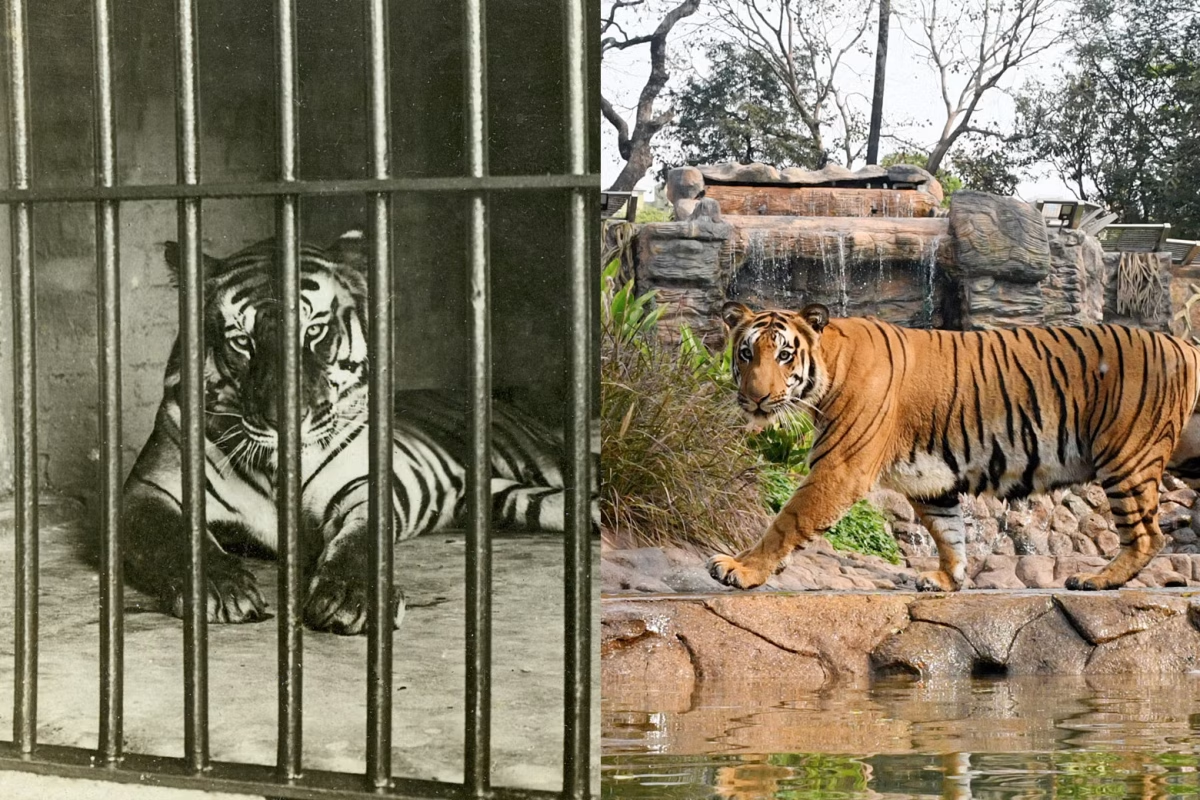
In a report from World Animal Protection, zoochosis is described as a common condition for animals that are kept in enclosures for long periods of time. Zoochosis is a psychological condition that affects wild animals living in captivity. It can cause animals to pace, sway, bob their heads, pluck their feathers, and even harm themselves. Zoochosis happens when animals are emotionally distressed from being confined in small spaces.
This shows how zoos can be harmful to animals. It also shows that people have not done enough to address animals being kept in small enclosures, as zoos continue to operate today. Zoochosis is not simply a habit. It is a clear sign that animals are experiencing extreme stress and need freedom rather than being kept for entertainment.
This is not the only problem. There have been many reports of animal abuse in zoos. According to a report from the Change for Animals Foundation, the World Association of Zoos and Aquariums offered at least one type of cruel or demeaning animal visitor interaction. There have also been criminal charges filed against some zookeepers for abusing animals during training. In addition, countless animals have died because of neglect.
Some people argue that zoos exist to protect endangered animals or to educate the public by allowing people to see animals up close. While this may be true in some cases, there are many situations where zoos are more harmful than helpful to animals. People do not need to see animals up close to learn about them. Although it may be entertaining to see them in person, it is better to protect these animals rather than keep them for human entertainment.
Zoos can also restrict animals from interacting naturally with members of their own species. Animals require social interaction, just like humans. In the wild, animals can live in their natural environments and behave in ways that are healthy and natural for them.
Zoos should not exist because they often prioritize human entertainment over animal well being. The unnatural confinement, lack of proper care, and limited space for animals to express natural behaviors are all reasons why people should stop supporting these institutions. Let us work together to stop animal abuse and protect wildlife.
Against: Leela Blyakherova
Many people believe zoos are simply places that keep animals locked up for entertainment. While it is true that some cruel zoos have existed, most modern zoos were created for important reasons. Today’s zoos focus on conservation, scientific research, and education. They act as safe places for animals that might not survive in the wild and help prevent many species from going extinct.
One powerful example is the recovery of the California condor. By the 1980s, only about 22 to 27 of these birds were left in the world. Organizations like the San Diego Zoo Wildlife Alliance started a captive breeding program to save them. They carefully bred the birds in protected environments and later reintroduced them into the wild. Today, there are more than 400 California condors living again. Without zoos stepping in, this species might have completely disappeared.
Zoos also protect other endangered animals, such as the golden lion tamarin. Through captive breeding programs, zoos help increase their population and reintroduce them into their natural habitats. In this way, zoos act like a safety net. They protect animals from poaching, habitat loss, starvation, and other dangers. If an animal’s home is destroyed or unsafe, a zoo can provide temporary shelter and care.
Another important role of zoos is medical care. Zoos can function like large public veterinary clinics. Many animals receive treatment from certified veterinarians and are closely monitored for health problems. Sick or injured animals can be treated and observed to see how they respond to care. Zoos often provide areas where animals can rest away from visitors. Some animals stay longer if they are part of breeding programs that help protect endangered species.
Zoos also support conservation efforts beyond their gates. They donate more than 200 million dollars each year to conservation projects around the world. This funding helps protect habitats and fight against poaching. Conservation workers and wildlife specialists work to stop illegal hunting and protect animals in the wild.
Finally, zoos educate the public. When people see animals up close, they often feel a stronger connection to wildlife. A child who sees a condor or a tamarin in person may grow up wanting to help protect animals. Zoos teach visitors about endangered species, environmental challenges, and how people can help protect wildlife. This education can inspire people to care more about conservation.
In conclusion, while no system is perfect, most zoos exist for positive and important reasons. They help save endangered species, provide medical care, support conservation projects, and educate the public. Without zoos, many animals might not survive. Instead of seeing zoos as prisons, we should recognize them as places that work to protect and preserve wildlife for the future.