








Against: Gabi O’Dell
Most people find zoos fun, exciting, and good for animals, but the harsh reality is that the vast majority of the animals held captive inside their compounds are depressed and, often, they die far earlier than they would if they lived in nature.
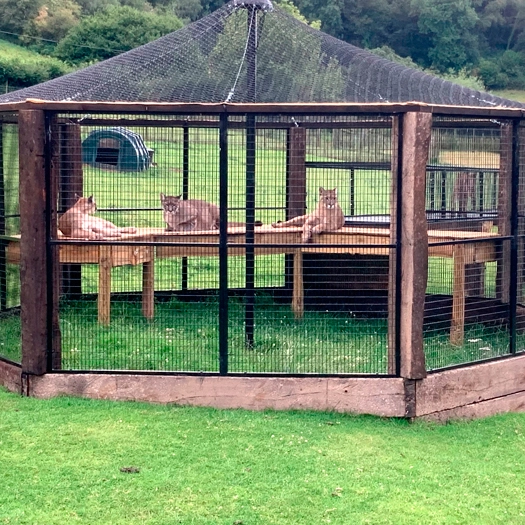
The sad thing about zoos is that most of them care more about the profits, than they do about the animals themselves. When you walk into zoos you usually see animals in small cages and enclosures, you also usually see them just laying there like they’re depressed. “They provide animals with the smallest possible cages, limit access to veterinary care, and do not provide animals with the social companionship that animals need to be happy.”
One of the major issues with zoos is that animals are supposed to be kept in the wild so they can keep to their natural lifestyles and so they don’t disrupt their ecosystems. “The problem is that these animals belong in the wild. When you remove them from their natural environments, you disrupt their native ecosystems. Imagine the impact among people when a friend or loved one dies unnaturally. People can become depressed, or grow so sad or fearful that they can no longer function. This happens with other animals too.”
Imagine being kept in a cramped cage all day and people staring at you for long periods of time, you would probably start getting aggressive and annoyed, well that’s how animals feel too. Because of this humans and animals are put at danger. “Yet, the news abounds with stories of animals responding to the unnatural conditions at zoos, whether by escaping the confines of their enclosures or injuring a human, at times resulting in animals being killed, such as the well-known case of Harambe the gorilla, who was killed after a child entered his zoo enclosure.”
Some of the animals in zoos have a thing called “Zoochosis” and it refers to things such as pacing, circling, rocking back and forth, swaying, and head-bobbing. Animals tend to do this because of extreme stress, boredom, or in many cases, inadequate cramped environments.
In conclusion, society should invest in alternatives like wildlife sanctuaries, rehabilitation centers, and virtual or interactive experiences that foster a deeper understanding of the natural world without causing harm.
For: Emery Orton
In an era when wildlife has unpredictable threats, from habitat destruction to climate change, the question of whether zoos should continue to exist has become very important. While critics argue that keeping animals in captivity is inherently harmful, the evidence shows that accredited, conservation‑focused zoos play a huge role in protecting species, advancing scientific knowledge, and educating the public. Eliminating zoos would remove one of the most effective tools we have for preventing extinctions.
Modern zoos are super essential for helping protect animals worldwide. According to the International Union for Conservation of Nature (IUCN), “39 animal species are currently classified as “Extinct in the Wild,” surviving only because of captive populations, many of which are maintained in zoos. Without these programs, these species would have vanished entirely.”
Zoos also support reintroduction programs that restore species to their natural habitats. Conservation studies show that “12 formerly extinct-in-the-wild species that have been successfully reintroduced,” These successes highlight the critical role zoos play in safeguarding biodiversity at a time when many ecosystems are collapsing.
Zoos contribute significantly to scientific understanding of animal behavior, genetics, reproduction, and health. A study led by the Zoological Society of London found that conservation zoos have “powerful potential to reverse extinction,” especially for species that no longer survive in the wild. Research conducted in zoos helps scientists develop strategies to protect animals both in captivity and in their natural environments. This knowledge is essential for designing effective conservation plans and improving animal welfare worldwide.
Education is another essential function of zoos. By allowing people to observe animals up close, zoos foster understanding and empathy that cannot be achieved through screens or textbooks alone. Many zoos offer programs that teach visitors about endangered species, ecological threats, and the importance of conservation. This public awareness is crucial, as conservation efforts depend on informed communities that support environmental protection.
Opponents of zoos argue that captivity is inherently unethical. While this concern deserves consideration, it often overlooks the reality of modern accredited zoos, which follow strict welfare standards and design habitats that mimic natural environments. The IUCN notes that many species now recovering in the wild owe their survival to the expertise of zoos and similar institutions. Rather than eliminating zoos, improving and supporting responsible ones is the more effective path forward.