










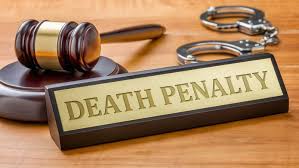
Against – Avery Fortune
Why the Death Penalty Should Be Abolished
The death penalty is a punishment in which a person is sentenced to death for committing a serious crime. Although some countries and states still use it, many people believe it is unfair and should be abolished worldwide. The death penalty is a serious and permanent punishment that can lead to the execution of innocent people, does not effectively prevent crime, and is often applied in an unjust and unequal way.
One of the strongest arguments against the death penalty is the risk of executing innocent people. The criminal justice system is not perfect, and mistakes can happen. Since 1973, more than 200 people in the United States have been released from death row after evidence proved they were innocent. If these individuals had been executed before the truth was discovered, an irreversible mistake would have been made. Unlike other punishments, the death penalty cannot be undone. Once a person is executed, there is no way to correct the error. This makes the death penalty extremely dangerous and unjust.
Another important reason to end the death penalty is that it does not effectively reduce crime. Some people argue that the threat of execution scares criminals and prevents violent acts. However, research has shown that states and countries with the death penalty do not necessarily have lower crime rates than those without it. In fact, many places that have abolished the death penalty continue to maintain similar or even lower crime rates. This suggests that the death penalty does not serve as a strong deterrent and does not make society safer.
The death penalty is also applied unfairly. Studies have shown that people from low income backgrounds and minority groups are more likely to be sentenced to death. Often, individuals who cannot afford experienced lawyers receive weaker legal representation. In addition, racial bias can influence court decisions. Justice is supposed to treat everyone equally, but the unequal application of the death penalty shows that the system does not always work fairly.
In some countries, the death penalty is even used as a political tool. Governments have executed people for speaking out against authority or protesting unfair laws. This demonstrates that the death penalty can be misused to silence opposition rather than to deliver justice. When a punishment can be used to control or intimidate people, it becomes even more concerning.
In conclusion, the death penalty should be abolished because it risks killing innocent people, fails to prevent crime, and is often applied in an unfair and discriminatory manner. A justice system should focus on fairness, accuracy, and protecting human rights. Ending the death penalty would be a step toward creating a more just and humane society.
For – Rachel Kelleher
Justice for the Worst Crimes: Why the Death Penalty Should Remain
The death penalty is a serious issue, but it should stay in place for the worst crimes. When someone chooses to take an innocent life, the punishment should match the crime. It does not feel fair for families to lose someone they love while the murderer lives for decades in prison supported by taxpayers. Justice should protect the innocent, not the people who chose to destroy lives.
One reason the death penalty should remain is that it delivers justice that fits the crime. Even the U.S. Supreme Court allows the death penalty for the “worst of the worst” crimes. This shows that some actions are so extreme that life in prison is not enough. If someone takes a life on purpose, the punishment should reflect the seriousness of what they did.
Another reason is public safety. Some people think life in prison keeps everyone safe, but that is not always true. There have been cases where inmates serving life sentences killed guards or other prisoners. This proves that prison alone cannot always stop dangerous murderers from hurting people again. The death penalty guarantees that someone who has already taken a life can never harm anyone else in the future.
The death penalty also saves taxpayers money. Keeping someone in prison for life can cost millions of dollars. That money could be used for schools, roads, or helping families, not supporting people who chose to commit terrible crimes. It is unfair for hardworking people to pay for a murderer’s food, medical care, and housing for decades.
Some people argue the death penalty is too harsh, but the real harshness is what victims’ families go through. Others worry about mistakes, but modern DNA testing has made wrongful executions extremely rare. And even if the death penalty does not stop every crime, preventing even one murder still matters. Instead of ending the death penalty, we should keep improving the system to make it safer and fairer.
The death penalty should remain an option for the most serious crimes. It delivers justice, protects society, and saves money. If we value innocent lives, then we must hold the worst offenders fully responsible for what they have done.