









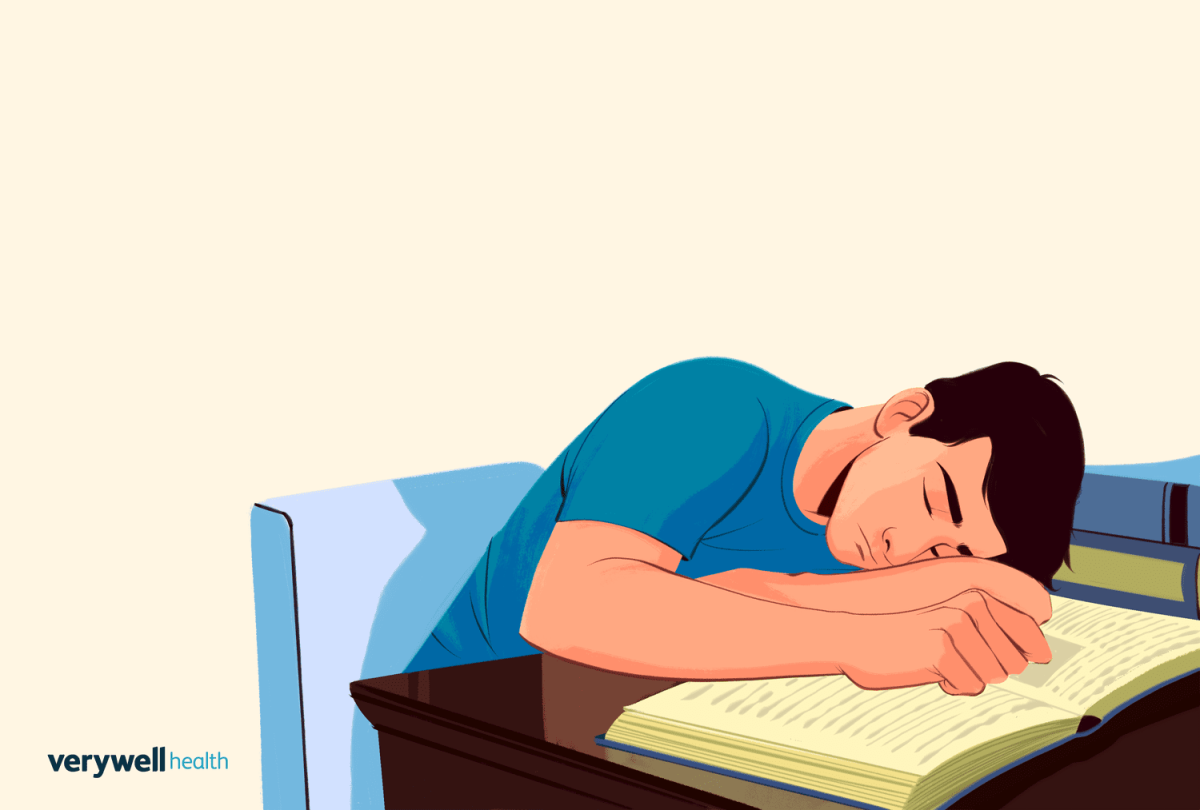
Most of us have had nights where we stay up too late—scrolling on our phones, finishing work, or just not feeling tired. It might seem harmless at the moment, but when it becomes a habit, not getting enough sleep can quietly start affecting almost every part of your life.
Sleep isn’t just “downtime.” It’s when your body resets and your brain sorts through everything from the day. When you cut that time short, the first thing you’ll probably notice is how hard it is to focus. Simple tasks feel harder, your memory isn’t as sharp, and you might find yourself making small mistakes you normally wouldn’t. Over time, that mental fog can build up and make daily life feel more exhausting than it should be.
Lack of sleep also has a big impact on your mood. When you’re tired, patience runs thin. You might feel more irritable, stressed, or even down for no clear reason. It’s not just in your head—sleep plays a major role in regulating emotions. Without enough of it, even minor problems can feel overwhelming.
Physically, your body takes a hit too. Poor sleep can weaken your immune system, making it easier to get sick. It can also throw off hormones that control hunger, which is why people who don’t sleep enough often crave junk food or feel hungrier than usual. Over time, this can lead to bigger health issues like weight gain, heart problems, or diabetes.
What makes it tricky is how easy it is to ignore. You might tell yourself you’ll “catch up” on sleep later, but your body doesn’t quite work that way. Consistency matters more than occasional long nights of rest.
Getting enough sleep isn’t about being lazy—it’s about taking care of yourself. Even small changes, like going to bed at the same time each night or putting your phone away earlier, can make a real difference. When you’re well-rested, everything just feels a little more manageable—and that alone makes it worth it.